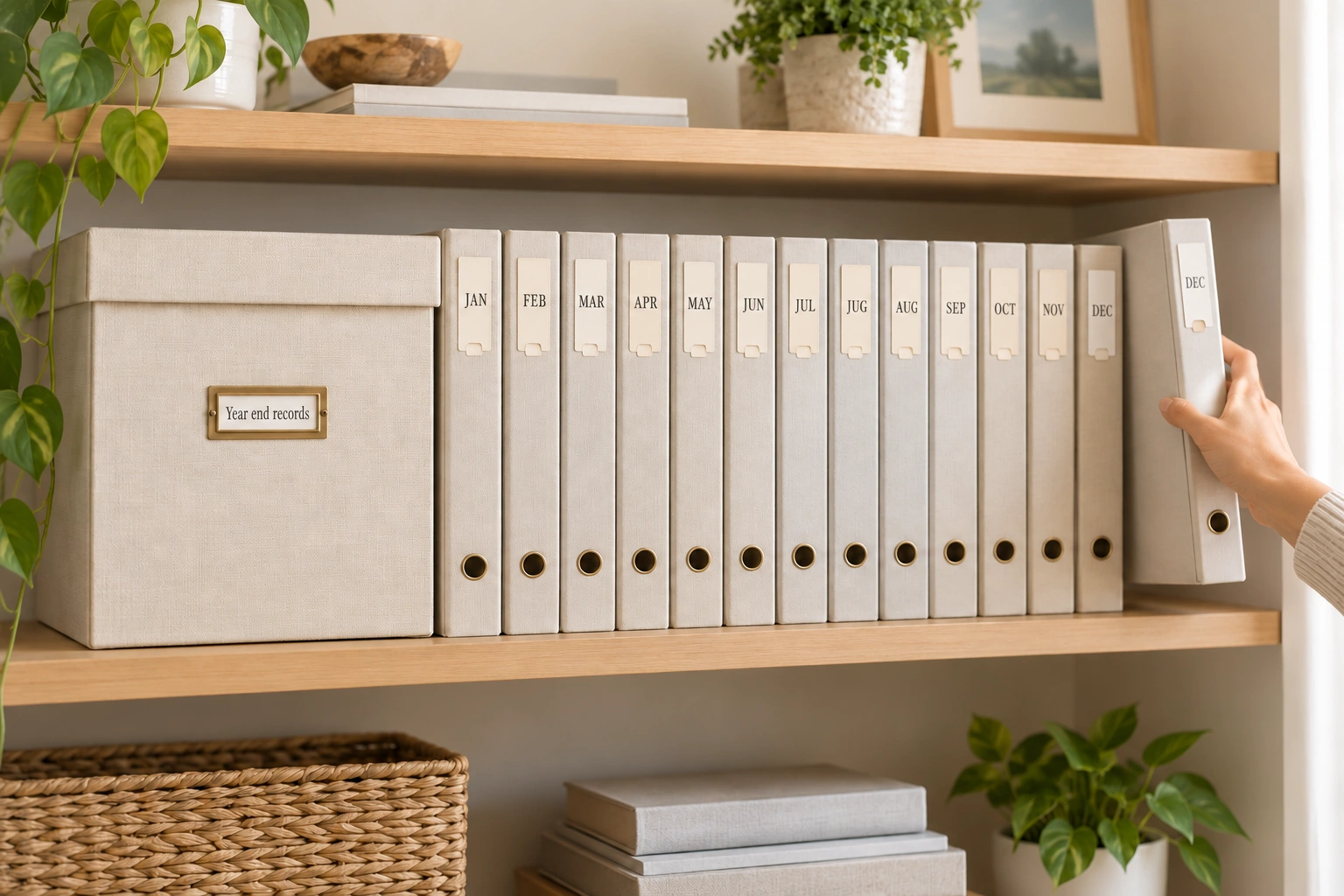
Year End Bookkeeping
A useful year end close brings the full year together. Review the closing balances, resolve unfinished activity and preserve a clear starting point for the year ahead.
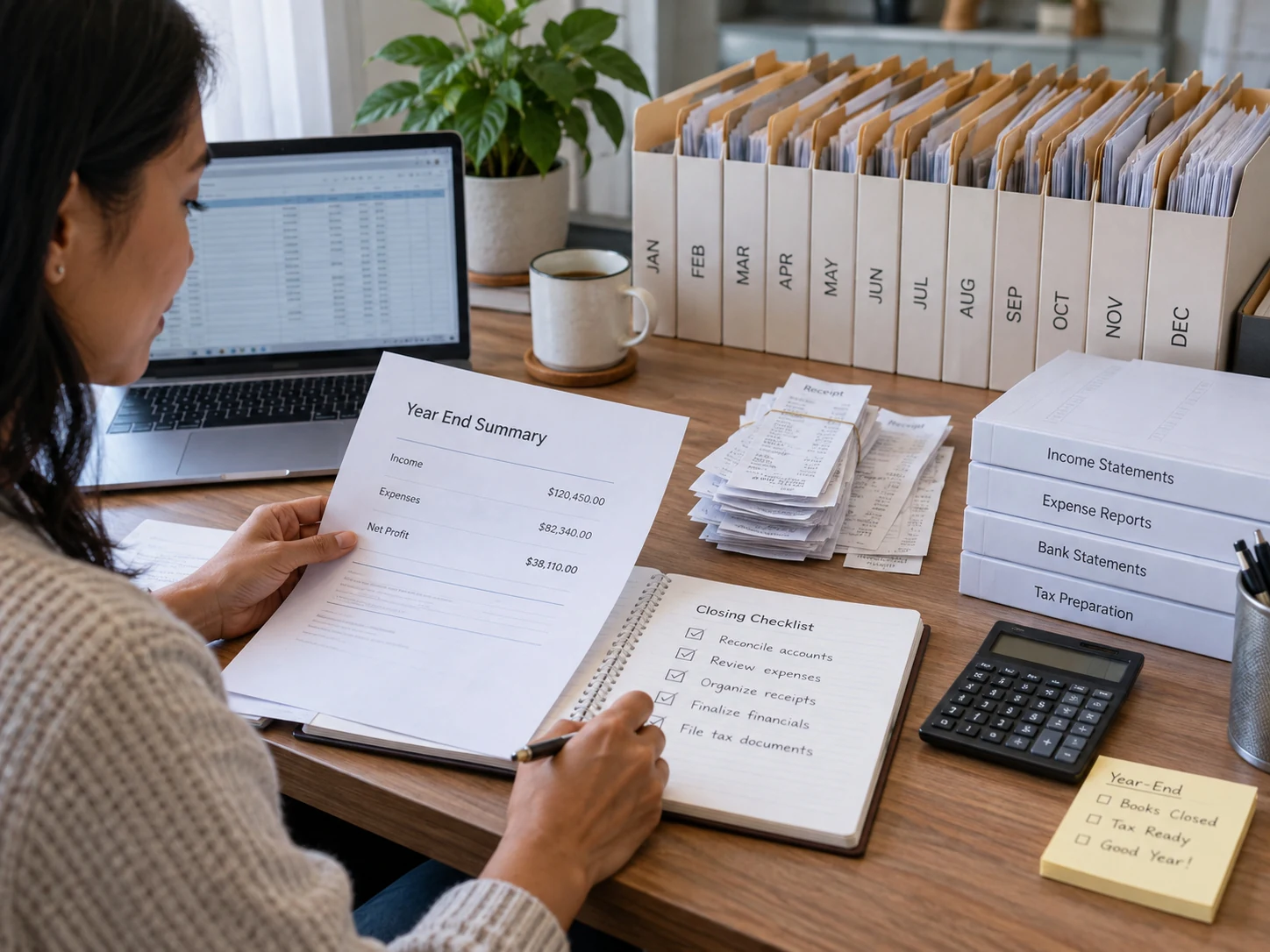
Year End Bookkeeping Scope
Year end bookkeeping checks the records at the end of the business financial year. It brings together account reconciliations, transaction review, outstanding invoices and bills, and the reports used for the annual handoff. Paper Trail focuses on the completeness and consistency of those records before the period is treated as finished.
Year End Bookkeeping Services
Reporting Period
Not every business uses the same year end date, and a report can change when it is run on a different accounting basis. The review begins by confirming the period and the established approach to recording activity. That makes the year end reports comparable to prior periods and useful to the person preparing the tax return.
Cash and accrual reporting recognize income and expenses at different times. A bookkeeping close should follow the business approach and any accountant instructions, rather than switching methods to produce a preferred result.
Account Review
Bank and credit card accounts need attention through the closing date, along with any business account that was opened or closed during the year. Loan balances, payment platform balances and transfers can help explain activity that is not obvious from the main checking account alone.
The review should identify missing statements and unresolved reconciliations before final reports are issued. A profit and loss report can look polished while an incomplete account leaves the year missing relevant activity.
Closing Balances
Unpaid customer invoices and supplier bills may matter to the closing records, depending on how the business keeps its books. Old credits, duplicate bills and payments that were never applied can distort those lists. Reviewing them helps distinguish a genuine outstanding balance from a recordkeeping issue.
Large equipment purchases, inventory information where relevant and owner transactions may also require review. Decisions about depreciation, tax treatment and specialist adjustments belong with the appropriate accountant or tax professional, supported by the facts recorded in the books.
Transaction Date Example
Illustrative example: a service business sends an invoice in December and receives the payment in January. The invoice and the bank deposit describe connected events in different periods. How they affect annual income depends on the accounting basis and applicable treatment, so simply labeling the January deposit as a new sale can create confusion.
A careful review preserves the connection and uses the correct report settings. The owner and tax professional can then understand the year being presented instead of reconciling two contradictory summaries.
Year End Handoff
A year end package can include the agreed financial reports, reconciliation information and a list of items requiring owner or accountant input. The list should explain what is missing, which period it affects and what would resolve it. That makes the remaining work specific instead of leaving someone to search through the entire file.
Once accountant adjustments are provided, any agreed bookkeeping updates should retain their supporting explanation. Keeping a clear record of the final reports makes it easier to distinguish the completed version from drafts.
Group the handoff by reporting period and account, with reconciliations and supporting documents next to the balances they explain. Include the version of the reports supplied so later questions refer to the same figures.
Separate completed work from items awaiting an owner response or a tax professional decision. Asset purchases, outstanding loans and unresolved customer balances should remain visible with the evidence available for each item.
Opening Balances
The closing balances become the starting point for the following period. Unexplained differences do not disappear when the calendar changes, and unresolved owner activity or duplicated payments can continue affecting later reports. A thoughtful close reduces the need to revisit the same questions months later.
Year end bookkeeping also creates an opportunity to improve the routine for the coming year. A recurring missing document, inconsistent expense category or incomplete payment process can be addressed while the issue is still clear. The goal is a more understandable record, not simply a folder labeled final.
A useful handoff identifies the date covered by each report, the accounts included and any balances still needing attention. Open invoices, unpaid bills and outstanding account differences remain visible. When your tax professional supplies adjusting entries, their effect can be tracked against the bookkeeping records so the close and the following year remain connected.