
Recognize When Your Books Are Ready to Close
The year is ready for bookkeeping close when accounts are reconciled or otherwise supported, material discrepancies are resolved and remaining decisions are documented. Check the balances and supporting records behind the reports, including unpaid invoices, bills, loans and owner activity. A completed profit report alone does not establish that the year is ready.
Confirm the core accounts
Reconcile bank accounts and credit cards through the closing date, including accounts closed during the year. Compare loan balances with lender records and review owner activity. Check customer invoices, supplier bills and platform balances so outstanding amounts have an identifiable reason rather than simply rolling into the next year.
Review transactions near the boundary
Look at late bills, deposits, customer credits and equipment purchases around year end. Preserve transaction dates, service periods and payment details. Cash and accrual methods can place transactions differently, and tax rules may require adjustments. The accounting method should remain consistent rather than changing to produce a preferred year end result.
Create a clear approval record
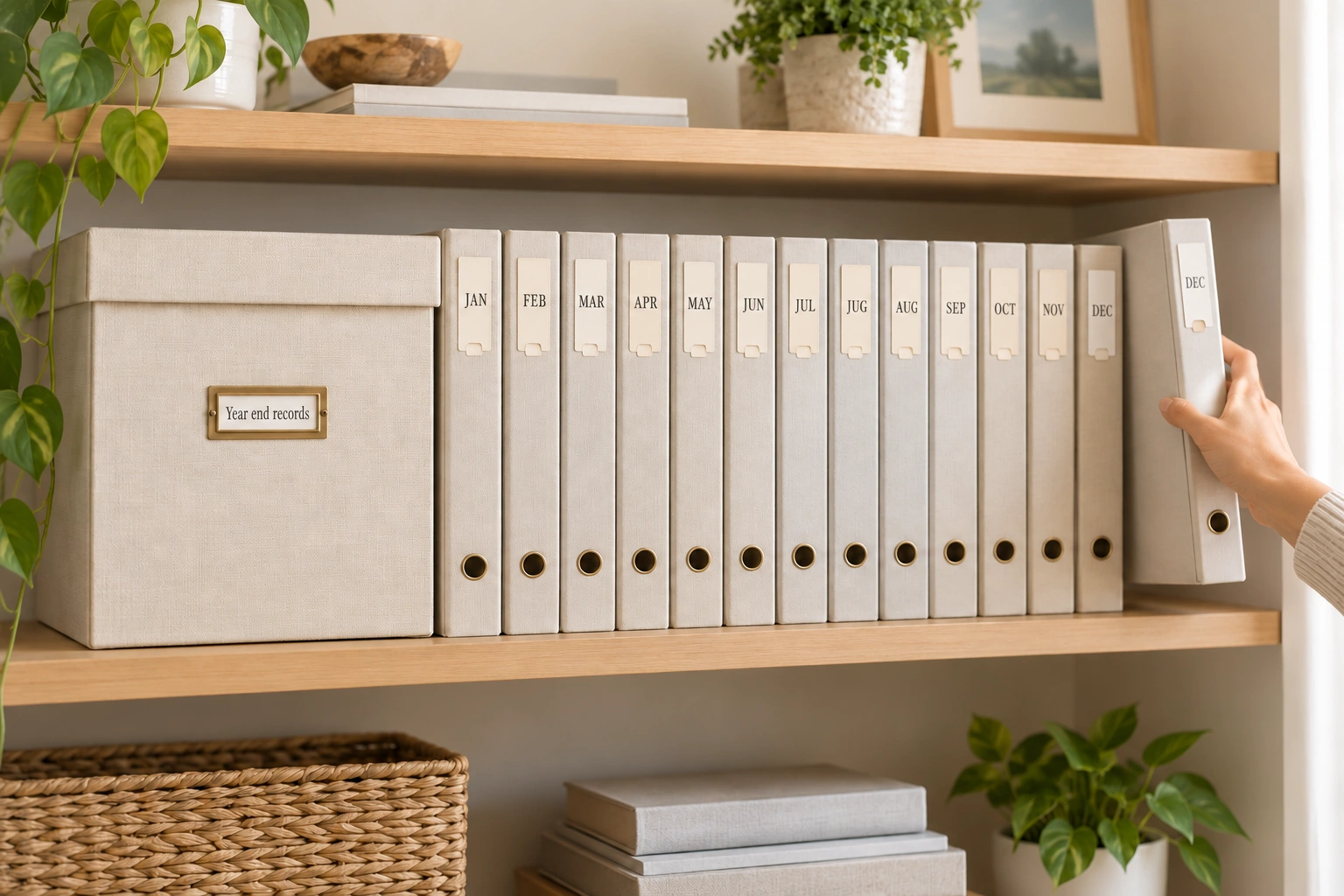
Save final reports, reconciliation records and an open item list. Identify who approves adjustments and when the file will be locked against accidental changes, if your software supports that feature. If a tax professional will provide closing entries, distinguish the bookkeeping handoff from their completed tax review. The goal is an understandable final package with supported balances, documented exceptions and a dependable opening point for the following year.